UIST 2026 · PosterFirst author
CoGaze: Webcam-Based Gaze Sharing
Gaze sharing from the webcam you already have
Tokyo, Japan
I build technology that helps people take in more of the world, and more of each other.
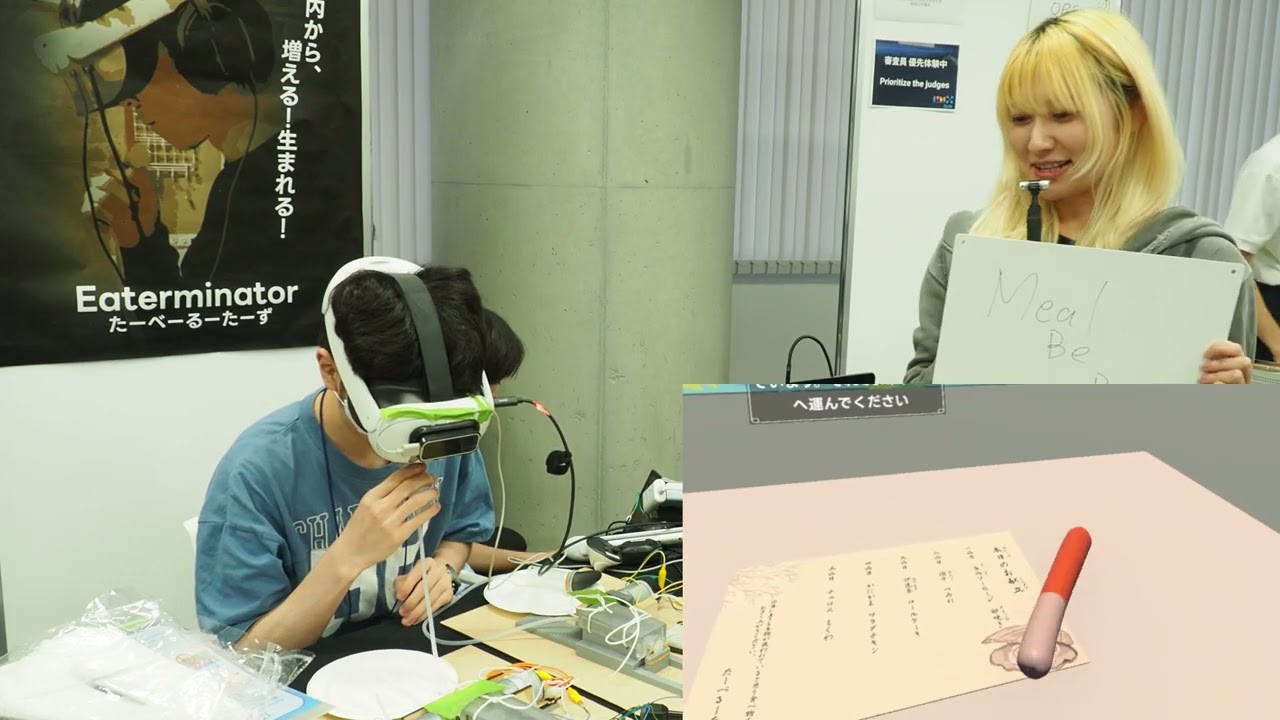
I am an undergraduate at Nojima Laboratory, University of Electro-Communications, working on human augmentation: technology that extends how people perceive, act and understand, alongside the people around them rather than on their behalf. So far that has meant shared gaze (CoGaze, at NUS) and multisensory VR.
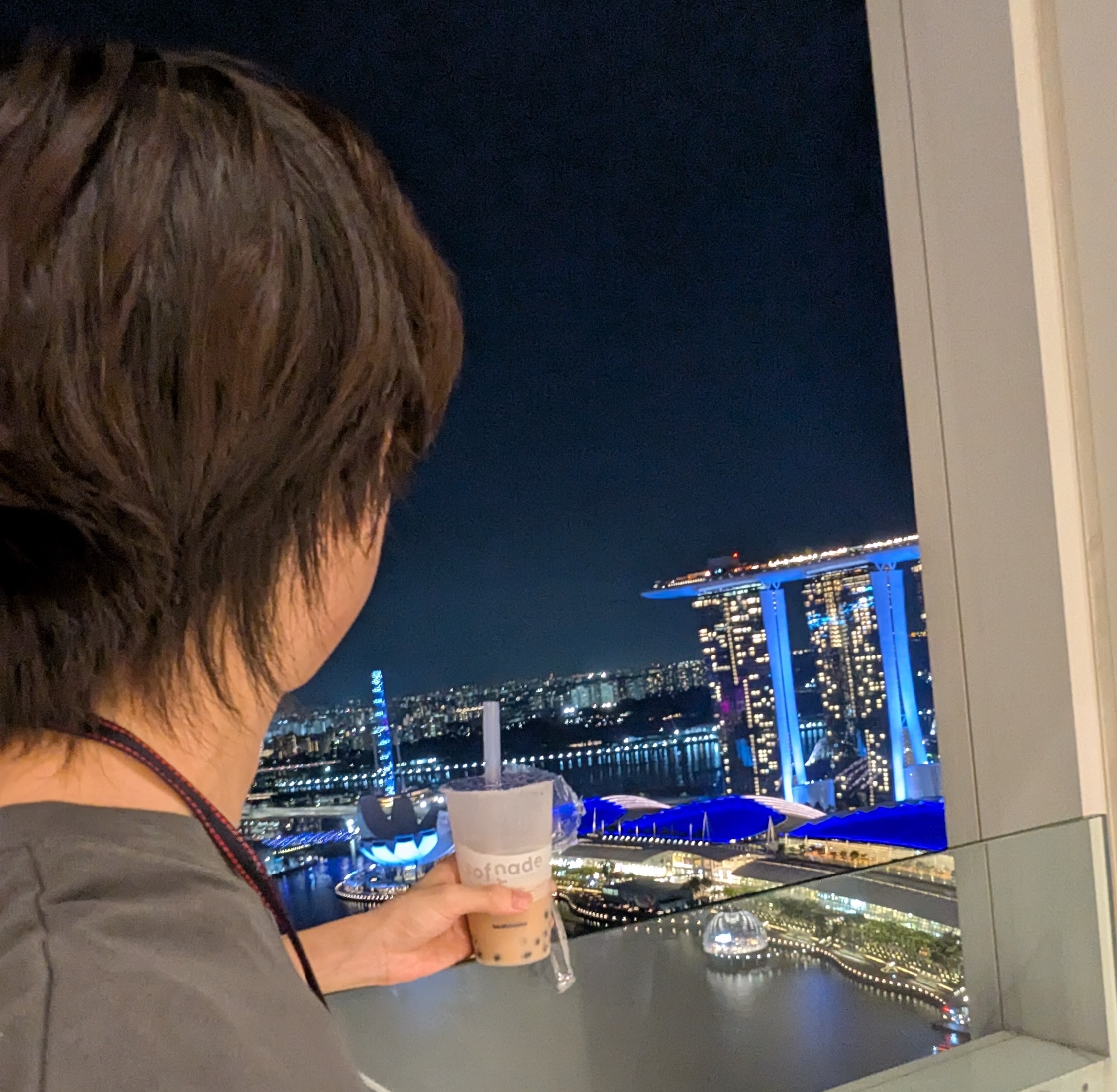
First-author poster, as an undergraduate: CoGaze.
Augmented Human Lab, National University of Singapore. From first prototype to a UIST poster in one internship, in English.
Graduating in March. Looking for a master’s or PhD lab, or an RA / RE role.
Things I built. What they do, before what they are.
Gaze sharing from the webcam you already have
Chewing, played backwards
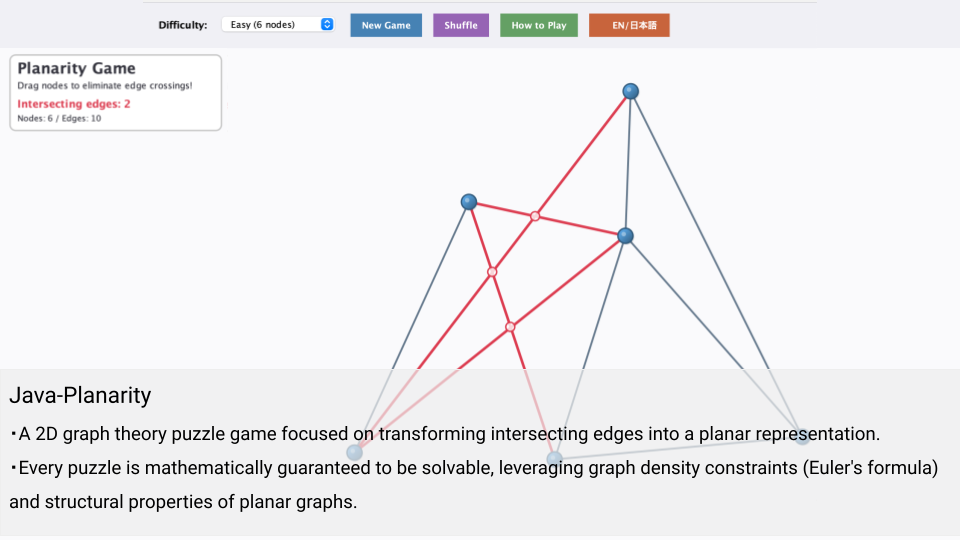
Untangle the lines until none of them cross
What broke when I gave back in code
People who can take in more of the world, and more of each other.
Shared gaze works in MR when both people wear the same headset. CoGaze tried something close to the first across devices that do not match, with a webcam on one side.
Under all three: design for devices that do not match and signals that are sometimes wrong, and study how people repair them. Hardware will keep changing; that mismatch will not go away.
What I am actually after
Lend me your eyes.
The world is not simply out there. Your brain builds it out of whatever reaches your senses. For a lot of people, a lot of that now arrives through a screen: one small rectangle, read with the eyes, a line at a time. That is a narrow pipe for a whole world. Anyone who uses one runs into its limits: you get tired, you skim, you miss things. For some people the pipe is closed most of the way: older people, people with a disability, people living in a language they did not grow up in. Same pipe, different width.
The answer on offer is to let a model read it for you. It works, but you stop looking. For a chore that is fine. For something you should judge yourself, you are acting on an answer whose reasons you never saw. And taste, values, what matters to you are things you can only get by living them.
Both problems are the same problem: the person is not seeing anything. So do not answer for people. Make the thing visible: put it where eyes and body can take it in, with nothing to decode. And when it really does take an expert, borrow their eyes, not their answer: let them show you what they are looking at.
CoGaze asked a small version of that question: can one person hand their attention to another using nothing but the webcam they already own? It can. Shared gaze was already known to work in MR when everyone wears the same headset. The new part was sharing it across devices that do not match.
If each of us can build values of our own, and they still fit the people around us, the world opens up to everyone.
Short updates, newest first.
Shared gaze already works in MR, when everyone wears the same headset.
Real teams mix devices: a laptop on one side, smart glasses on the other.
How should attention be shown when two people sense and see differently?
CoGaze was one such pairing. The next step is taking shape at Nojima Laboratory.

Read for its own sake, and unexpectedly useful whenever I have to run a session with a person in it.
Graduating March 2027. Open to graduate research positions, RA and RE roles, internships and collaborations in HCI, VR and human augmentation, and happy to hear about anything adjacent.